
Choosing the best time to visit Moab
The best time to visit Moab for walks and park viewpoints often starts with spring or autumn: the National Park Service describes these seasons as more comfortable than summer. They are also popular. Choose your dates by the activity you most want, then weigh temperature, likely demand and the conditions needed for that outing.
March to May and September to October are particularly busy periods in the region. Hotels and campsites can fill during the main March to October season, especially on weekends and public observances. Reserve accommodation early if a particular location matters. The accommodation area guide separates downtown, the river corridor and locations towards the parks without relying on hotel rankings.
A useful itinerary begins with a priority: desert walking, a river trip or a park drive. Give that priority a suitable day and keep other days flexible. The monthly weather table supplies town climate normals; it cannot predict conditions for a particular trail or guarantee the operation of an activity. For the full range of outings, use the Moab tour comparison.
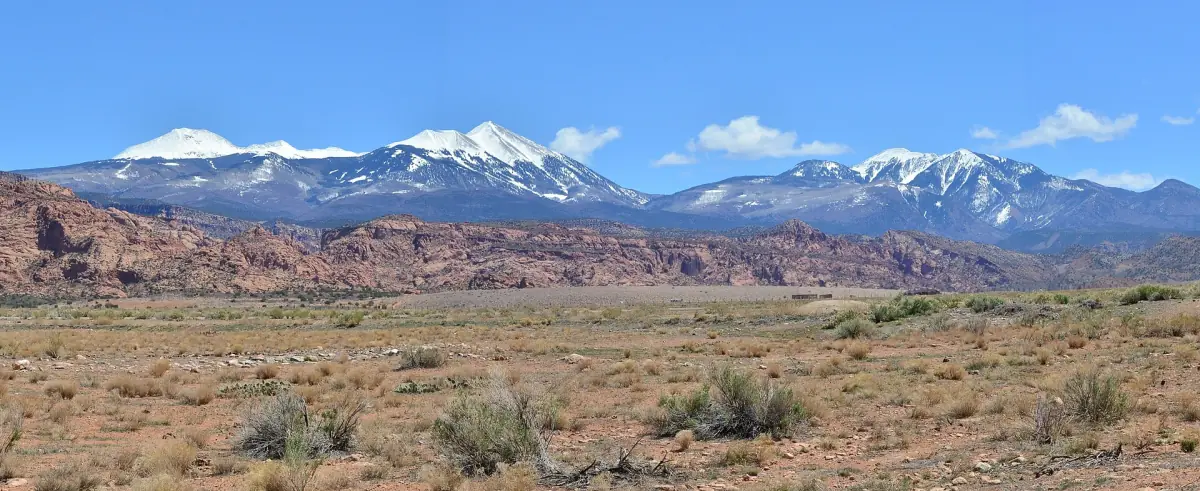
March: walking plans and spring demand
At the NOAA town station, the March mean daily maximum is 18.1 °C and the mean daily minimum is 2.0 °C for the 1991 to 2020 normal period, in the sheet generated on 6 November 2026. Those values make the distinction between afternoon plans and an early start worth considering. Pack for both rather than treating spring as a promise of warm conditions throughout the day.
March also belongs to the busy spring period. In Canyonlands, Easter weeks are among the park's named demand peaks. An early-season date therefore does not remove the need to think about parking and accommodation. Decide which park district you want to visit before building the day around it, and avoid making a late arrival at a specific trailhead your only workable plan.
For a river-focused trip, look at the dates of the actual excursion rather than extending a park walking season to the water. Activities have different operating calendars. A spring stay can combine outdoor interests, but the availability of each outing still needs its own place in the itinerary.
A river day in Westwater
The Westwater river trip includes a guide and lunch for a full day on the water.
Hand-picked tours, booked through Viator. Prices are indicative starting prices in US dollars (as of October 2026). Tap a tour for live availability and the current price in your currency.
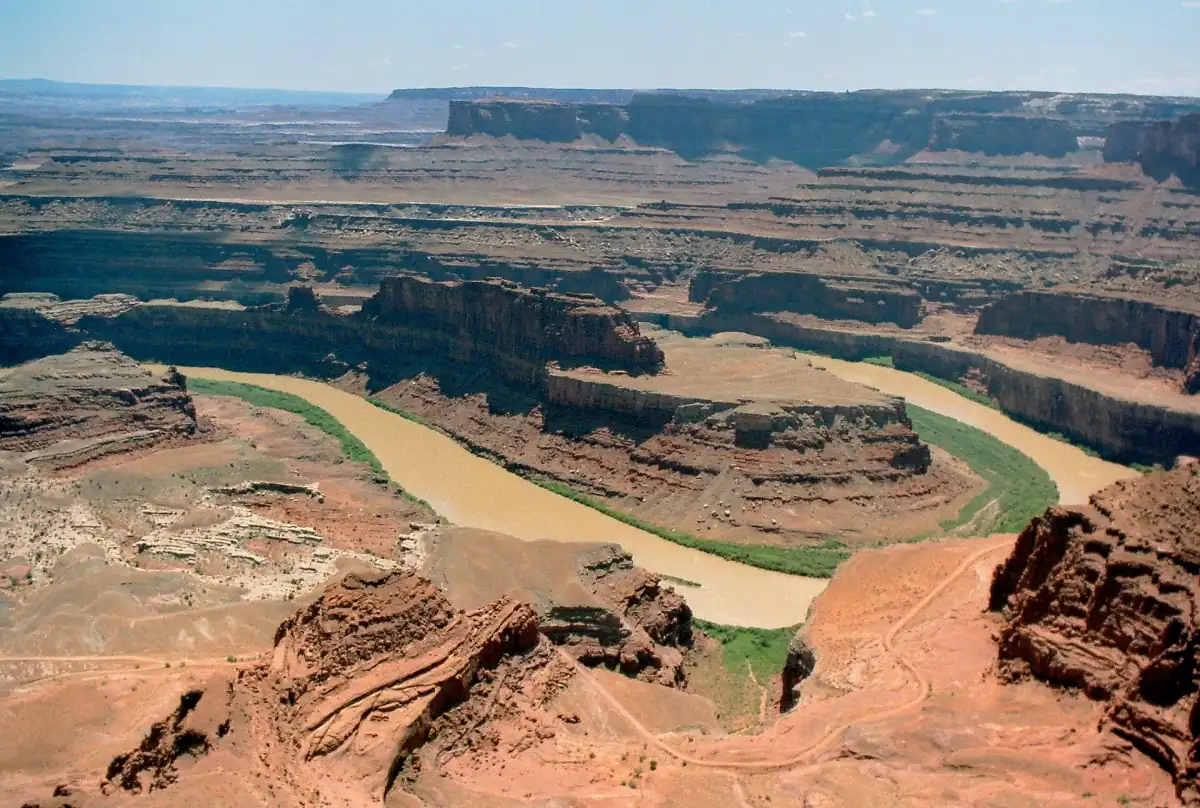
Make room for a Westwater river day
Consider a seasonal Westwater rafting outing with a professional guide, lunch, snacks, water and lemonade when choosing your travel dates.
October: autumn weather and busy park days
October belongs to the region's popular autumn period. NOAA's Moab station normals give a mean daily maximum of 23.1 °C and minimum of 5.4 °C, using the same 1991 to 2020 period and November 2026 station sheet. These are town averages, not the temperature of every high plateau. They help with packing, while the day's forecast helps with the actual route.
Canyonlands identifies Utah's October school break among its demand peaks. Queues and full parking areas are possible between March and November, according to the park's conditions notice dated 28 July 2026. Allow flexibility in which viewpoint or walk you attempt first. The Canyonlands guide explains why Island in the Sky and the Needles require separate access plans.
December: cold nights and a flexible route
December calls for a different approach. The town station's mean daily maximum is 6.6 °C and minimum is −5.6 °C in the NOAA normal period. Snow and ice can affect winter visits; snow clearing may temporarily close roads. A winter itinerary should be able to change after the forecast and road reports, even when the main purpose is a short park visit.
Separate visitor-centre schedules from park access. The Arches operating-hours page dated 18 April 2025 lists its visitor centre as closed on 25 December. That is a facility schedule, not a statement that the entire park closes. Plan supplies and route information before departing, and use the Arches visiting guide for the distinction between general entry and special bookings.
Activity seasons and summer decisions
Summer requires active heat planning. Put strenuous walks into cooler hours, carry water with an additional reserve in the car, and pay attention to thunderstorms and flash-flood risk. A river outing is a specific activity with its own participation conditions, rather than a general invitation to swim. Choose the river section deliberately.
Westwater is the more demanding river option, with rapids up to class IV; the Moab Daily section varies with water level between classes I and III. The Westwater outing presented here includes a professional guide, driver/guide, lunch, snacks, water, lemonade and local taxes. Treat it as a seasonal river day, and select from its available dates. Its operation and participant requirements belong to that product, not to a different rafting company's calendar or age limit.
Water levels change the experience. The official Westwater permit information describes typical peak flows in late May and early June, followed by declining summer flows. That seasonal pattern is not a reading for your departure day. The rafting guide puts the different river settings in context so you can choose the activity before committing the rest of the trip around it.
Questions about choosing your season
Is spring a quiet time?
Spring is a popular period. Plan accommodation early and keep park days flexible, particularly around weekends and the busiest dates named by the parks.
Can I choose a month for guaranteed weather?
Climate normals compare long periods. They cannot guarantee a dry trail, a clear sky or a particular river condition for your chosen day.
Should I build a December trip around rafting?
Choose the specific excursion and its available dates first if rafting is your priority. Keep a winter park itinerary adaptable to cold, ice and road conditions rather than assuming a summer activity schedule.